Greyhound racing industry prepares for shutdown after welfare concerns

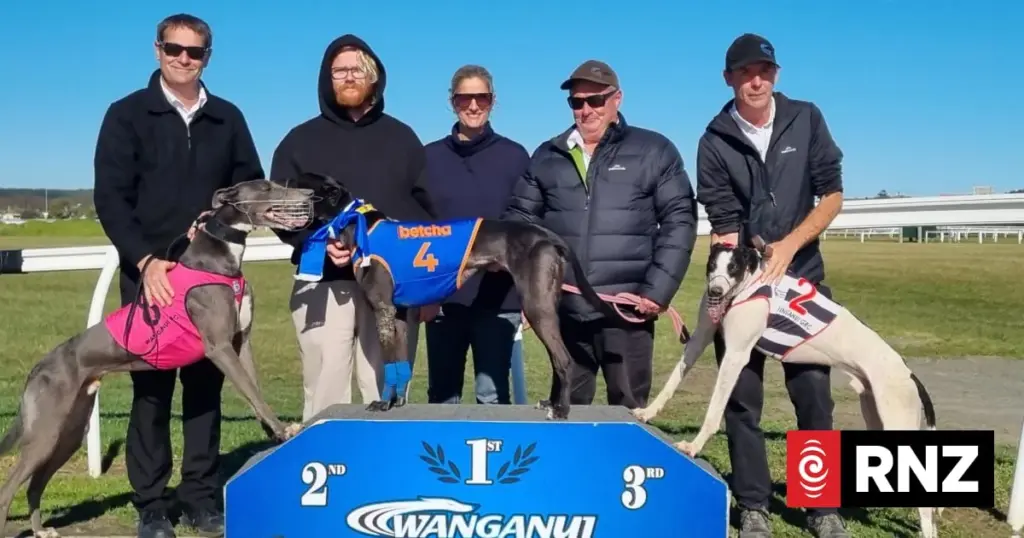
The greyhound racing industry in New Zealand is preparing for a shutdown, with the Hatrick Raceway in Whanganui recently holding its final meeting. This development follows the passing of the Racing Industry Amendment Bill, which received cross-party support in April. Racing Minister Winston Peters stated that the decision was not made lightly, citing independent reviews from 2013, 2017, and 2021 that highlighted serious animal welfare concerns within the sport.
Despite improvements made by the industry, Peters noted that these gains had plateaued, and injury and death rates remained unacceptably high. This led to the conclusion that the sport had lost its social licence. Owners from across the country gathered at Hatrick Raceway for what was the club’s last straight-track meeting.
Industry Figures Reflect on the End of an Era
John McArthur, president of the Whanganui Greyhound Racing Club, who has been involved in the sport for 50 years, expressed his deep connection to greyhound racing. He highlighted that the sport allowed ordinary individuals to own and care for a greyhound, contrasting it with the more exclusive nature of horse racing. McArthur acknowledged that injuries to dogs did occur, noting that approximately nine dogs had been euthanised nationwide this season across hundreds of meetings. This number increased to 10 with the death of five-year-old Tiger Jane, who suffered a fractured left humerus at Addington Raceway.
McArthur provided insight into the procedures at Hatrick Raceway, explaining how dogs are identified via microchips, weighed, and then undergo a veterinary examination before being kennelled individually. For races, dogs are walked to the straight-track, which was installed two years ago in the centre of the Whanganui Racecourse at a cost of $3 million, specifically in response to welfare concerns. The races themselves are typically over in a matter of seconds.
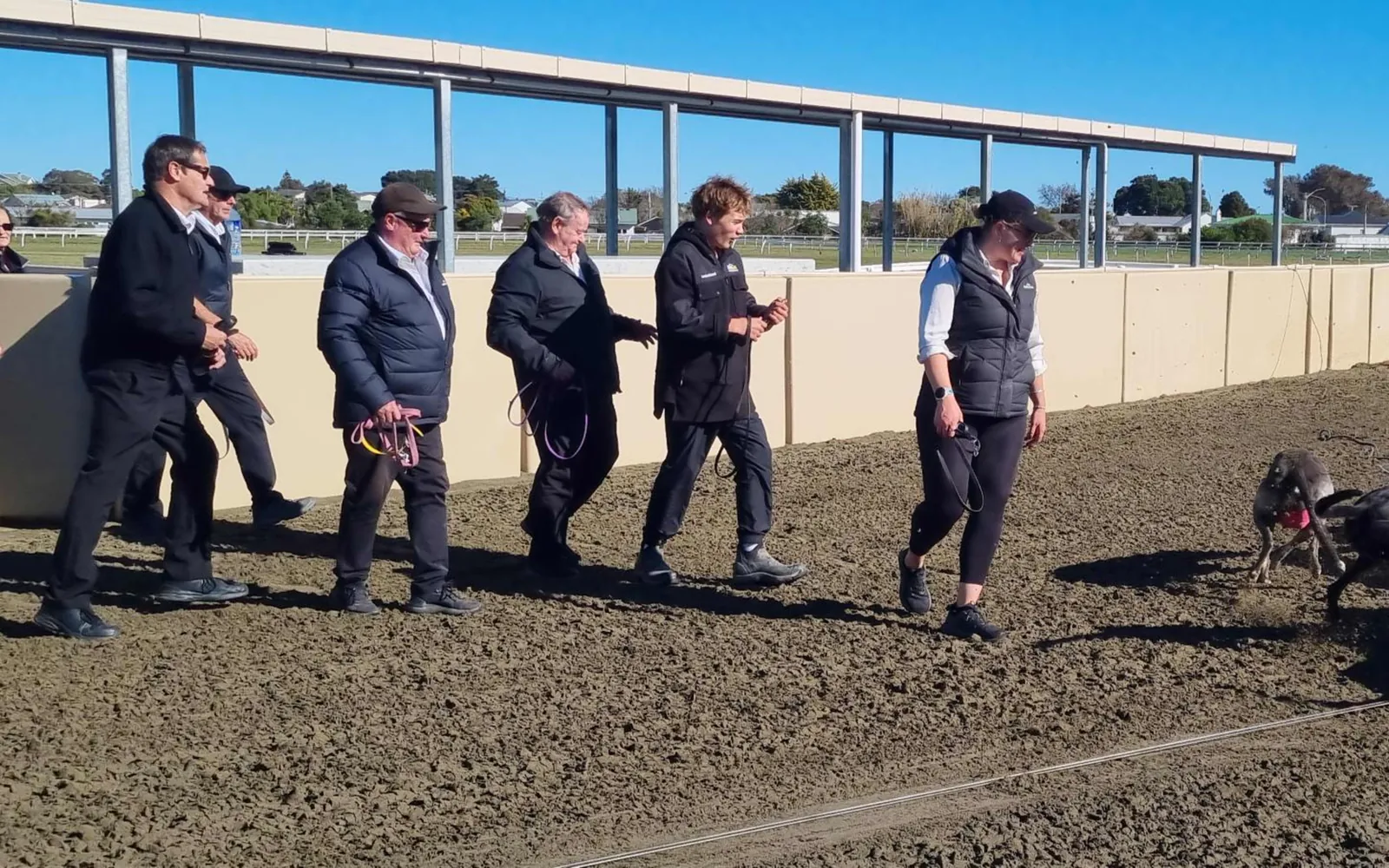
Peter Heterick, a trainer from Clevedon, shared his passion for the sport, describing dogs as kind and beautiful animals that bring a unique joy. He expressed devastation over the shutdown, calling it “crazy.” Heterick intends to keep his dogs, stating that he will continue to care for them daily, including walks and feeding, even without racing. He believes retired greyhounds make excellent pets and plans for his own dogs to remain with him.
The Future for Greyhounds and Their Owners
The SPCA’s chief scientific officer, Dr Arnja Dale, affirmed that the ban on greyhound racing was necessary due to years of welfare concerns and unsuccessful efforts to improve safety. Dale described this as a significant moment for animal welfare, marking the beginning of a new chapter where greyhounds can be cherished as family pets. She acknowledged the substantial but achievable challenge of rehoming the remaining 1300 greyhounds, with the SPCA now focusing on supporting the Greyhound Transition Agency.
Michael Schneider, an owner from Waikato, travelled south for the Hatrick Raceway meet. His involvement in racing began after adopting a retired greyhound. He enjoyed helping to train dogs and seeing their enthusiasm for running. Schneider plans to take all his dogs home, having purchased a property specifically for them, where he is setting up a large track and kennels. He noted that his dogs would likely end up living inside the house. Schneider described the prospect of no more racing as “gut-wrenching.”
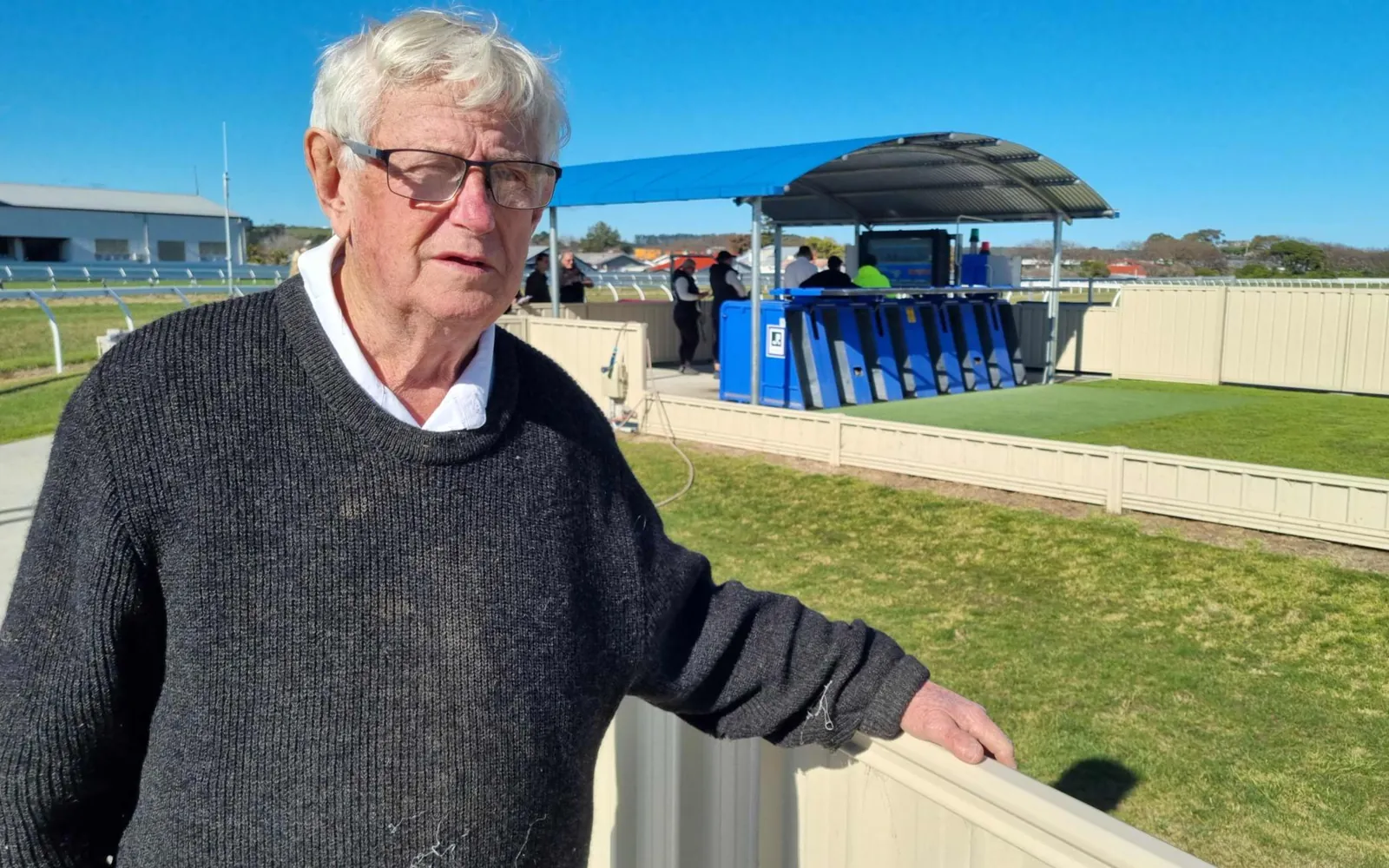
For individuals like John McArthur, who owns 18 dogs, tough decisions lie ahead. He noted that many of his dogs are too old for adoption systems, leaving him with limited options. As a superannuitant, he indicated that he does not have substantial financial resources, implying difficult choices regarding his dogs’ future. The Hatrick Raceway’s last circular track meeting took place on a Friday night.
Source: nzherald.co.nz

